Duck Breast with Fig and Red Wine
Highlighted under: Cultural Kitchen
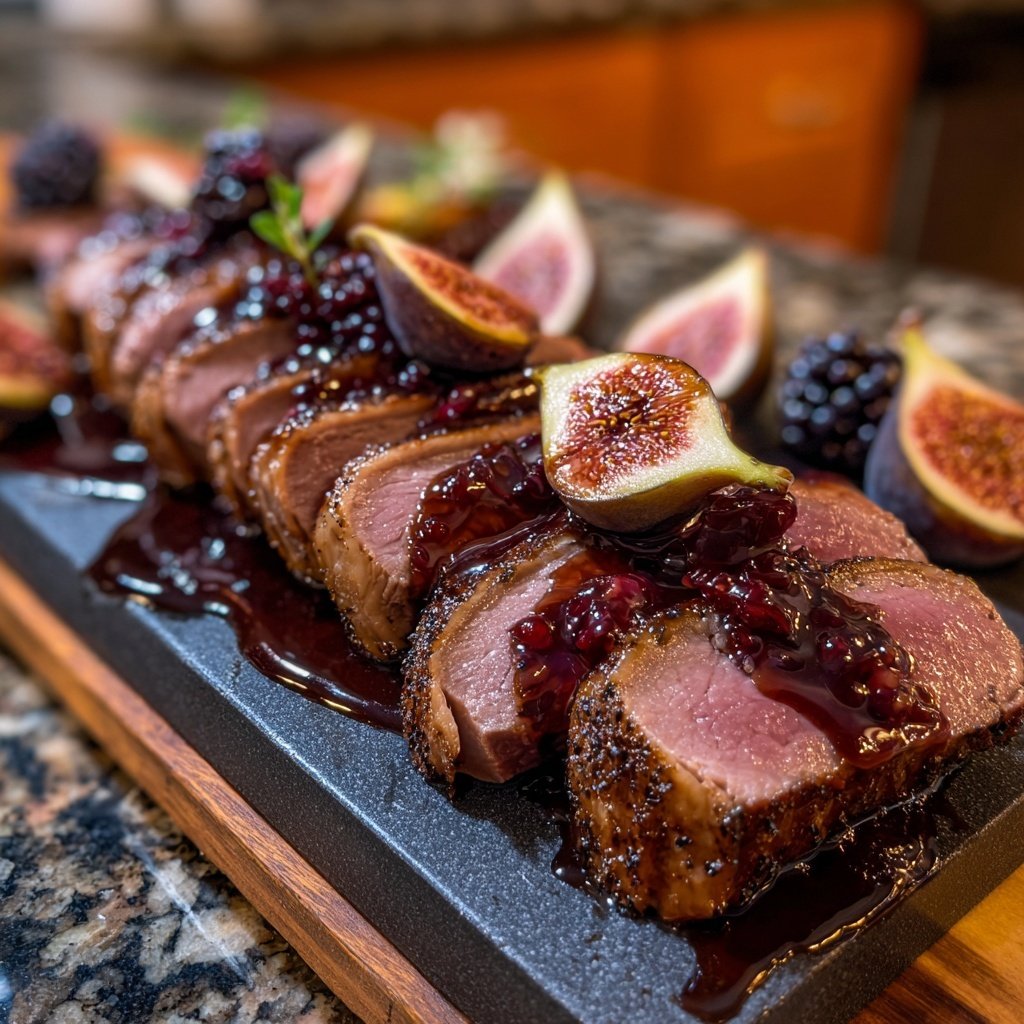
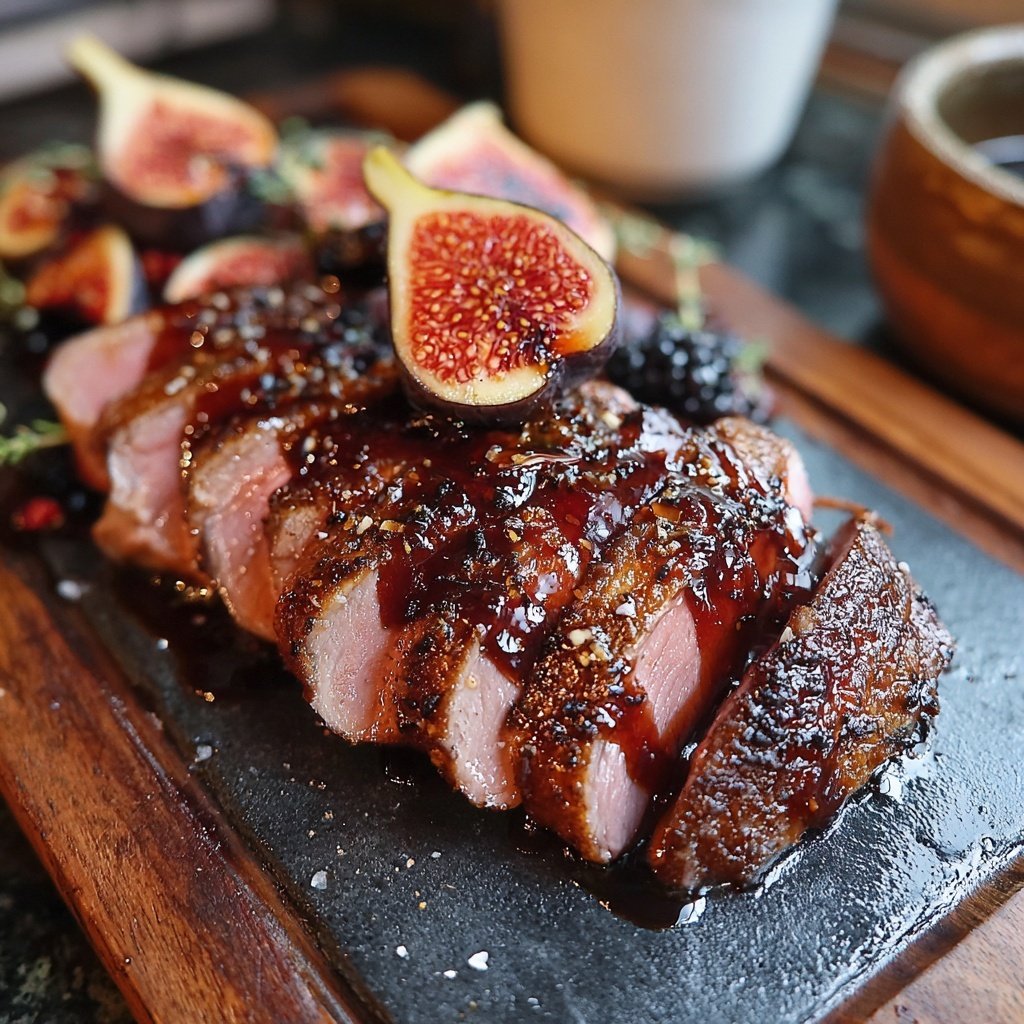
I absolutely love making Duck Breast with Fig and Red Wine because it transforms a simple dinner into an elegant feast. The rich flavor of the duck, combined with the sweetness of figs and the depth of red wine, creates a mouthwatering experience that’s perfect for special occasions. I find that resting the duck before slicing is key to achieving that juicy texture. Plus, the presentation of the dish is stunning, which makes serving it a joy. It’s a dish that never fails to impress, and I can’t wait for you to try it!
During one memorable dinner party, I decided to try my hand at Duck Breast with Fig and Red Wine, eager to impress my guests. The entire kitchen filled with the intoxicating aroma of the duck sizzling away in its own fat, and I couldn’t help but marvel at how easy it was to elevate such an exquisite dish.
I learned that the secret lies in the timing—allowing the duck to rest after cooking ensures that every bite is succulent. The figs, caramelized just right, add a delightful sweetness that perfectly balances the savory flavors. This is now a go-to for any celebration!
Why You'll Love This Recipe
- The luxurious combination of duck and sweet figs creates a mouthwatering dish.
- The red wine reduction adds a gourmet touch that’s surprisingly simple to make.
- Serving it will make your dinner guests feel special and appreciated.
The Art of Duck Preparation
Preparing duck breast correctly is crucial to achieving a perfectly cooked dish. Scoring the skin allows for better fat rendering, which leads to a crispy exterior. It's important to cut through the skin but not into the meat; if you cut too deep, the juices will escape during cooking. I find that a sharp knife works best for clean cuts, creating a beautiful crosshatch pattern that enhances the dish's presentation.
Before cooking, let the duck breasts come to room temperature for about 30 minutes. This helps them cook evenly. When seasoning, don't shy away from the salt; duck benefits from a good seasoning, which enhances its rich flavor. It also draws moisture to the surface, creating a lovely crust when seared.
Creating the Perfect Sauce
The sauce is where the magic happens in this dish. As the duck cooks, it releases fat that flavors the sauce. When adding the red wine, choose a good-quality bottle that you enjoy drinking, as its flavor will concentrate in the sauce. Allow the mixture to simmer until it's reduced by half, which usually takes about 15-20 minutes; this intensifies the flavors and creates a luxurious mouthfeel.
To give the sauce that restaurant-quality shine, swirl in cold butter at the end of the cooking process. This technique, known as 'monter au beurre,' adds richness and gloss. If you don’t have fresh figs, dried figs can work too; just be aware that they will need a bit more cooking time to soften up.
Ingredients
Ingredients
For the Duck
- 2 duck breasts
- Salt and pepper to taste
For the Sauce
- 1 cup red wine
- 1 cup fresh figs, halved
- 1 tablespoon honey
- 1 tablespoon balsamic vinegar
- 1 tablespoon butter
Instructions
Instructions
Prepare the Duck
Score the skin of the duck breasts in a crosshatch pattern without cutting into the meat. Season both sides generously with salt and pepper.
Cook the Duck
Place the duck breasts skin-side down in a cold skillet. Turn the heat to medium and cook for about 6-8 minutes, allowing the fat to render and the skin to become crispy. Flip and cook for an additional 4-5 minutes for medium-rare. Let rest for 10 minutes.
Make the Sauce
In the same skillet, add the red wine, figs, honey, and balsamic vinegar to the rendered duck fat. Simmer until reduced by half, then swirl in the butter for a glossy finish.
Serve
Slice the duck breast and serve with the fig and red wine sauce drizzled over the top.
Pro Tips
- For an extra touch, serve with roasted vegetables or a side of creamy mashed potatoes.
Storing and Reheating Tips
If you have leftovers, store the duck breasts in an airtight container in the refrigerator. They can last up to three days. When reheating, aim to do so gently in a low oven (around 300°F) to prevent the meat from drying out. Covering them with aluminum foil will help retain moisture and keep the skin crisp.
For the sauce, it can be stored separately in the fridge for up to a week. Simply reheat it in a saucepan over low heat, adding a splash of water or a bit more butter to prevent it from thickening too much. If you're short on time, consider making a double batch of the sauce—it’s delicious with other proteins like chicken or pork.
Serving Suggestions
To elevate your dining experience, serve the duck breast over a bed of creamy polenta or alongside roasted vegetables. The richness of the duck pairs beautifully with the sweetness of the figs and the acidity of the wine sauce, creating a harmonious balance of flavors on the plate. Garnish with freshly cracked black pepper and a sprig of thyme for an added touch of elegance.
If you're hosting a dinner party, consider complementing this dish with a side of garlic mashed potatoes or sautéed green beans. These sides not only add color to the plate but also enhance the overall dining experience. Pair the meal with the same red wine used for the sauce to create a cohesive flavor profile throughout the meal.
Questions About Recipes
→ Can I substitute the duck with chicken?
Yes, but cooking times will differ. Chicken breasts will cook faster than duck.
→ What type of red wine should I use?
A fruity and slightly dry red, such as Pinot Noir or Merlot, works best.
→ Can I make the sauce ahead of time?
You can prepare the wine reduction in advance and reheat it before serving.
→ What sides pair well with this dish?
Mashed potatoes, roasted vegetables, or a creamy polenta complement the duck perfectly.
Duck Breast with Fig and Red Wine
Created by: Olivia Hayes
Recipe Type: Cultural Kitchen
Skill Level: Intermediate
Final Quantity: 2 servings
What You'll Need
For the Duck
- 2 duck breasts
- Salt and pepper to taste
For the Sauce
- 1 cup red wine
- 1 cup fresh figs, halved
- 1 tablespoon honey
- 1 tablespoon balsamic vinegar
- 1 tablespoon butter
How-To Steps
Score the skin of the duck breasts in a crosshatch pattern without cutting into the meat. Season both sides generously with salt and pepper.
Place the duck breasts skin-side down in a cold skillet. Turn the heat to medium and cook for about 6-8 minutes, allowing the fat to render and the skin to become crispy. Flip and cook for an additional 4-5 minutes for medium-rare. Let rest for 10 minutes.
In the same skillet, add the red wine, figs, honey, and balsamic vinegar to the rendered duck fat. Simmer until reduced by half, then swirl in the butter for a glossy finish.
Slice the duck breast and serve with the fig and red wine sauce drizzled over the top.
Extra Tips
- For an extra touch, serve with roasted vegetables or a side of creamy mashed potatoes.
Nutritional Breakdown (Per Serving)
- Calories: 450 kcal
- Total Fat: 30g
- Saturated Fat: 10g
- Cholesterol: 85mg
- Sodium: 350mg
- Total Carbohydrates: 22g
- Dietary Fiber: 2g
- Sugars: 15g
- Protein: 22g