Classic Aioli Sauce Recipe
Highlighted under: Cultural Kitchen
I love making classic aioli sauce because it's a versatile condiment that brings a touch of sophistication to any dish. The rich garlic and olive oil flavors add depth to seafood, sandwiches, and vegetables, making them truly irresistible. With just a few simple ingredients, I can whip up an aioli that rivals gourmet versions. The method I use helps to create the perfect creamy consistency without the need for fancy equipment, making it easy for anyone to enjoy this delicious sauce at home.
When I first attempted to make aioli, I was skeptical about achieving that dreamy consistency. However, I discovered that slowly incorporating the olive oil while whisking really allows the garlic to emulsify beautifully. This method not only enhances the flavor but also gives the aioli that luxurious creaminess we all crave.
A little tip I picked up along the way is to balance the flavors. If you find the aioli too strong, a squeeze of lemon juice can lighten it and add brightness. It’s the small adjustments that elevate this classic sauce from good to outstanding!
Why You'll Love This Recipe
- Rich garlic flavor that elevates any dish
- Creamy texture that's perfect for dipping
- Quick and easy to make with just a few ingredients
Understanding Key Ingredients
The essence of a classic aioli lies in its ingredients, with garlic and olive oil playing pivotal roles. The garlic, when minced finely, releases potent flavors that can range from sharp to sweet, depending on its freshness. I recommend using high-quality garlic for the best results, as this will enhance the overall taste of the aioli. Additionally, the richness of extra virgin olive oil not only provides a luscious texture but also adds a fruity undertone that complements the garlic beautifully.
Using an egg yolk in this recipe is crucial as it serves as an emulsifier, allowing the oil to blend seamlessly with the other ingredients. This creates that desired creamy consistency. If you're concerned about using raw egg yolks, opt for pasteurized eggs, which can still give you the same rich mouthfeel while minimizing food safety risks.
Mastering the Emulsification Process
Emulsification is the key to achieving the perfect texture in an aioli. When you slowly drizzle in the olive oil while whisking the garlic mixture, you allow tiny droplets of oil to disperse into the egg yolk, creating a stable emulsion. It’s important to whisk continuously without rushing this process to prevent the mixture from separating. Aim to maintain a light, steady hand as you incorporate the oil; it should take about 3-5 minutes to fully emulsify until the aioli appears glossy and thick.
If your aioli does happen to break (separate), don’t fret. You can fix it by starting a new egg yolk in a clean bowl and slowly adding the broken aioli to it, whisking until it comes back together. This method can save your sauce and prevent waste.
Storage and Serving Suggestions
Once your aioli is prepared, you can store it in an airtight container in the refrigerator for up to one week. Over time, the flavors will meld and develop further, making it an even more dynamic condiment. Just remember to give it a quick stir before serving, as it may thicken slightly during storage.
Aioli is incredibly versatile. Use it as a dip for roasted vegetables, a spread for sandwiches, or sauce for seafood dishes like grilled shrimp or fish tacos. For a twist, consider adding herbs like dill or basil to customize the flavor profile or adjust the acidity with additional lemon juice or a splash of vinegar. This way, you can enjoy your aioli with a variety of meals throughout the week!
Ingredients
Ingredients
Classic Aioli Sauce Ingredients
- 1 large garlic clove
- 1 egg yolk
- 1 cup extra virgin olive oil
- 1 tablespoon lemon juice
- Salt to taste
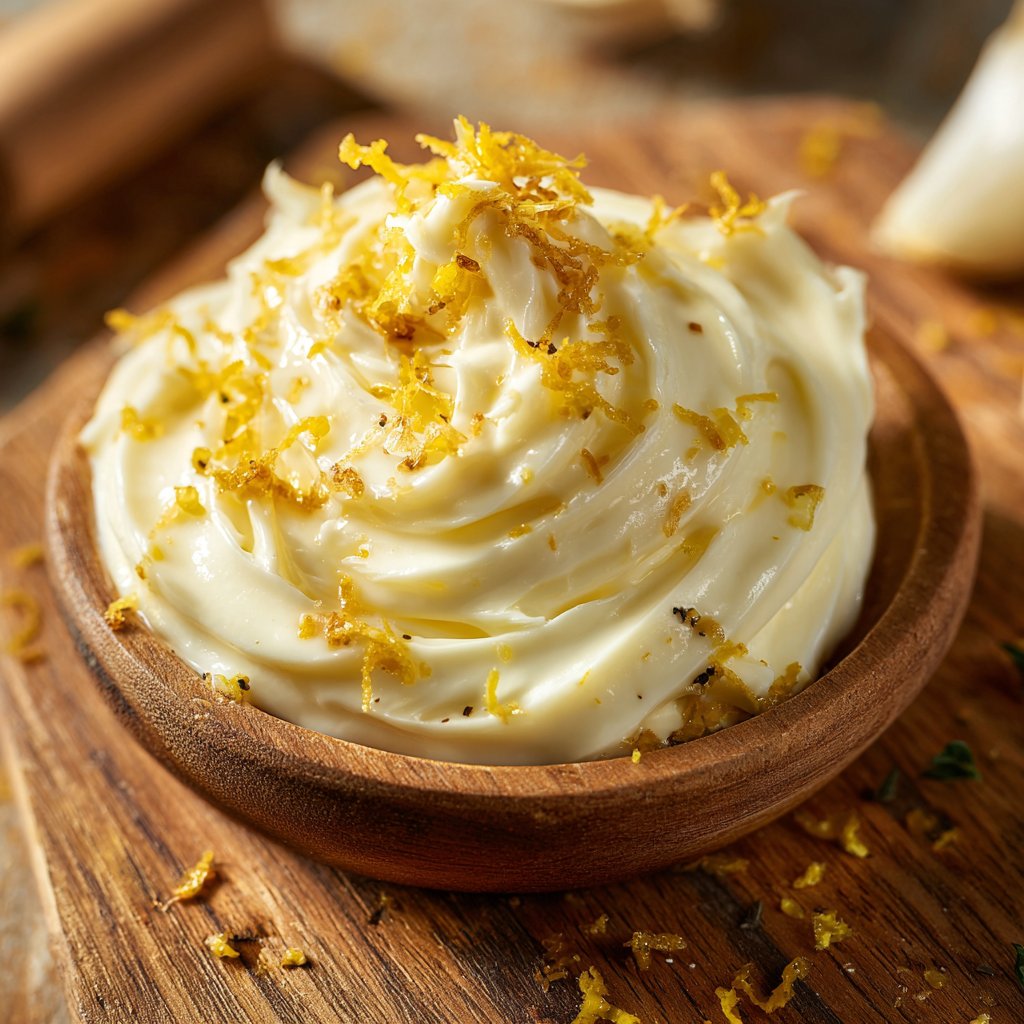
Combine all ingredients to create this fantastic dip!
Instructions
Instructions
Prepare the Garlic
Mince the garlic clove finely and add it to a mixing bowl.
Combine Ingredients
Add the egg yolk and lemon juice to the bowl, mixing thoroughly.
Emulsify the Mixture
Slowly drizzle in the olive oil while whisking constantly until the aioli reaches a creamy consistency.
Season to Taste
Add salt to your preference and mix well.
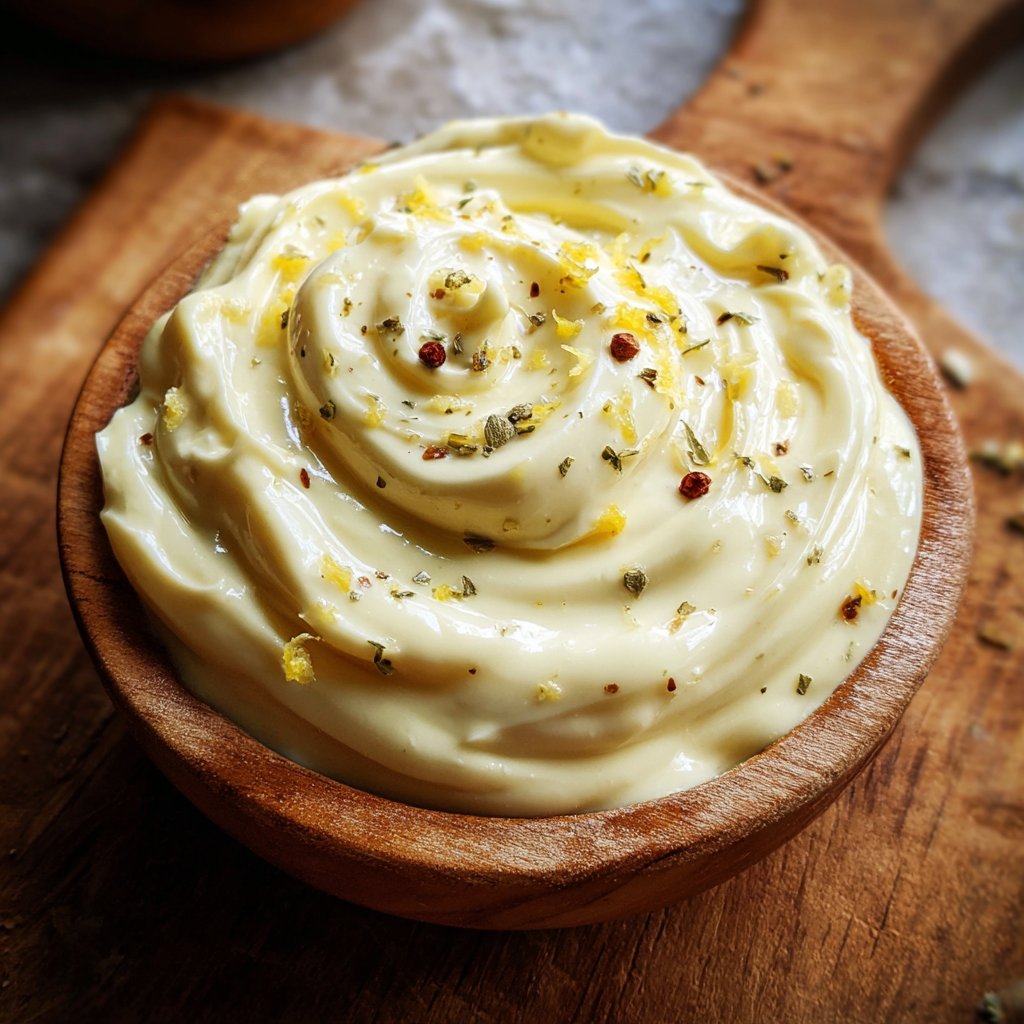
Enjoy your homemade aioli with fresh vegetables, seafood, or as a spread for sandwiches!
Pro Tips
- For an extra kick, try adding herbs like basil or dill for a different flavor profile.
Troubleshooting Sausage Issues
One common struggle when making aioli is achieving the right consistency. If your aioli is too thick, you can thin it out by whisking in a teaspoon of water or additional lemon juice to achieve your desired smoothness. If it’s too runny, it could mean that the emulsion didn't form correctly, which can usually be remedied by the method mentioned earlier of whisking with a new egg yolk.
The flavor can also sometimes be overpowering depending on the garlic used. If you find the garlic too pungent for your taste, consider roasting the garlic first. Roasting mellows the intensity and introduces a sweet depth that can balance beautifully with the richness of the aioli.
Variations to Explore
If you’re looking to switch things up, consider infusing your aioli with additional flavors. For a spicy kick, incorporate a teaspoon of sriracha or a dash of cayenne pepper. Alternatively, blending in herbs like parsley, cilantro, or chives can add freshness and complexity to the sauce, making it a great match for various dishes, especially grilled meats and sandwiches.
You might also try substituting some of the olive oil with other oils, like avocado oil, for a different flavor profile. Just keep in mind that this may slightly alter the traditional taste, but can be a fun way to experiment with your aioli!
Questions About Recipes
→ Can I use a blender to make aioli?
Yes, a blender can be used to emulsify the ingredients, but be careful to add the oil slowly.
→ How long does homemade aioli last?
Homemade aioli can be stored in the refrigerator for up to a week in an airtight container.
→ Can I substitute the egg yolk?
Yes, you can use mayonnaise as a base if you're looking for an egg-free option.
→ What can I serve aioli with?
Aioli pairs wonderfully with grilled meats, roasted vegetables, and as a dip for fries.
Classic Aioli Sauce Recipe
What You'll Need
Classic Aioli Sauce Ingredients
- 1 large garlic clove
- 1 egg yolk
- 1 cup extra virgin olive oil
- 1 tablespoon lemon juice
- Salt to taste
How-To Steps
Mince the garlic clove finely and add it to a mixing bowl.
Add the egg yolk and lemon juice to the bowl, mixing thoroughly.
Slowly drizzle in the olive oil while whisking constantly until the aioli reaches a creamy consistency.
Add salt to your preference and mix well.
Extra Tips
- For an extra kick, try adding herbs like basil or dill for a different flavor profile.
Nutritional Breakdown (Per Serving)
- Calories: 200 kcal
- Total Fat: 22g
- Saturated Fat: 3g
- Cholesterol: 20mg
- Sodium: 100mg
- Total Carbohydrates: 1g
- Dietary Fiber: 0g
- Sugars: 0g
- Protein: 2g